
The Flagship Guide · Prague
Prague Travel Guide: a local's complete guide.
Written in Prague by Lukáš — practical, honest, and built for first-time visitors who want more than a checklist.
Section 01
Introduction
Prague is the rare European capital that survived the twentieth century almost entirely intact — a city where a thousand years of Gothic, Renaissance and Baroque architecture still stand shoulder to shoulder along a lazy bend of the Vltava river.
I grew up here, and I've spent the last decade walking friends from abroad through its lanes and pubs. This guide is what I actually tell them before they arrive: enough to plan a confident first trip, and honest enough to keep you out of the obvious tourist traps.
Prague is compact, walkable and unusually affordable for the quality it delivers. Most first-time visitors give it three days and leave wishing they'd stayed four. Whatever length of trip you're planning, this guide covers the essentials — what to see, where to sleep, when to come, and how to get around like a local.
Where to Sleep
Where to Stay in Prague
These are the hotels and neighborhoods I send friends to first — places I've stayed in or walked past a hundred times and would genuinely recommend, not just a list from a search.
Miss Sophie's Hotel
Stylish, central New Town base — a 10-minute walk to Old Town, half the price.
Augustine, a Luxury Collection Hotel
A Baroque monastery turned five-star in Malá Strana — under the castle, above the river.
Hotel U Medvědů
A 14th-century inn in the Old Town with real local character and a great pub downstairs.
Looking for more options? Browse verified Prague hotels and apartments on Booking.com.
Browse Prague StaysSection 02
Top Attractions
Prague's centre is small enough that you can see the headline sights on foot in two days. Six landmarks anchor every first trip — each rewards an early start and a slower second look.
 01
01Attraction 01
Prague Castle (Pražský hrad)
Perched above Malá Strana for more than a thousand years, Prague Castle is the largest ancient castle complex in the world — a walled town of palaces, churches and courtyards crowned by the Gothic spires of St. Vitus Cathedral.
Local tip
Enter through the eastern gate on Zámecké schody before 9 a.m. — the security queue there is a fraction of the main gate.

Save with the Prague Pass
Visiting Multiple Attractions?
If you're planning to see several paid attractions in Prague — castle, towers, museums — an all-inclusive city pass can work out cheaper than booking each ticket separately.
 02
02Attraction 02
Charles Bridge (Karlův most)
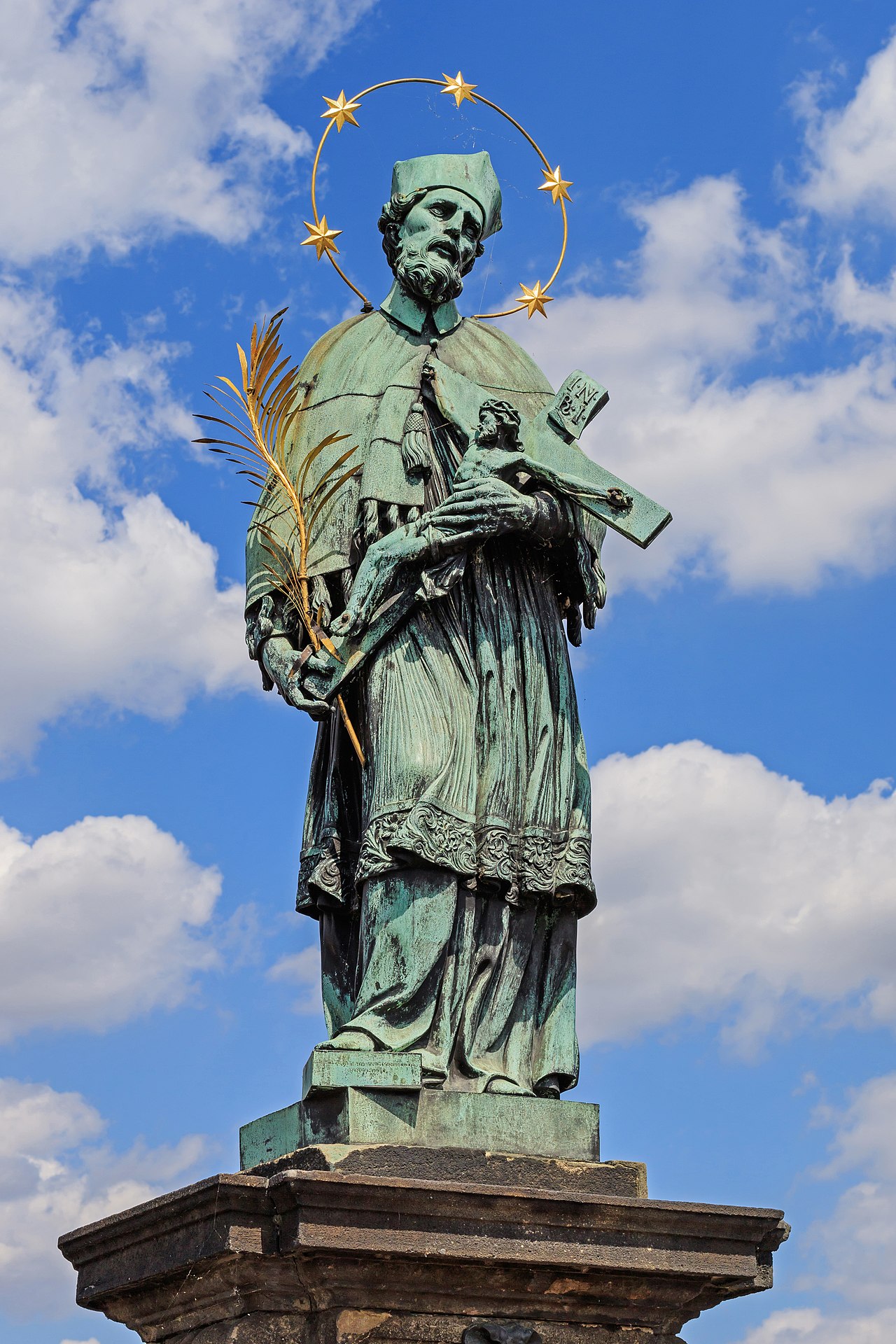
Commissioned by Charles IV in 1357 and lined with thirty baroque statues, this half-kilometre of sandstone is Prague's most famous crossing — a slow, ceremonial walk between the Old Town and Malá Strana with the castle rising above one bank.
Local tip
Come at sunrise or after 10 p.m. — the bridge belongs to locals then, and the light on the statues is completely different.
 03
03Attraction 03
Old Town Square (Staroměstské náměstí)
The medieval heart of Prague, ringed by pastel Gothic and baroque façades, the twin spires of the Týn Church, and the elegant baroque bulk of St. Nicholas. Every hour, a small crowd gathers under the Astronomical Clock to watch the apostle parade — charming for forty-five seconds; the real marvel is the mechanism and the calendar plate below.
In December the whole square becomes Prague's Christmas market, one of the loveliest in Europe. Come at dusk, when the towers glow and the smell of trdelník and mulled wine take over.
Local tip
Climb the Old Town Hall tower for the classic rooftop view — but eat five minutes' walk away, never on the square itself.
Plan ahead
Skip the Line at the Astronomical Clock Tower
Climb the Old Town Hall Tower for the best rooftop view in Prague — book ahead to skip the ticket line.

Self-Guided Audio Tours
Explore at Your Own Pace
Download your audio tour before arrival so you can start at opening time, before Old Town and the Jewish Quarter become crowded.
 04
04Attraction 04
The Jewish Quarter (Josefov)
Nowhere else in Europe holds as much Jewish history in one square kilometre. The Old-New Synagogue (1270) is the oldest still-active synagogue on the continent, and the Old Jewish Cemetery — twelve thousand weathered stones stacked over centuries because the community was forbidden to expand outward — is one of the most moving places in the city.
Six synagogues, the Ceremonial Hall and Franz Kafka's grave together form the Jewish Museum in Prague. Give it a full morning; it's quiet, reflective, and unlike anything else on your Prague itinerary.
Local tip
A single combined ticket covers all four synagogues and the Old Cemetery — buy it once at the Maisel Synagogue and you'll skip every other queue.
Plan ahead
Visit All Six Synagogues with One Ticket
The combined ticket covers all six synagogues, the Ceremonial Hall and the Old Jewish Cemetery — buy it online to skip the queue at Maisel Synagogue.
 05
05Attraction 05
Petřín Hill
The green lung of central Prague. A little funicular hauls you up from Újezd in Malá Strana to a hilltop of rose gardens, orchards and quiet lanes. At the top stands the Petřín Lookout Tower, a 63-metre miniature of the Eiffel Tower built for the 1891 exhibition — climb it for the best panoramic view of the city, better than the castle because you can actually see the castle in it.
In spring the whole hillside erupts in cherry blossom, and in any season it's the easiest escape from the crowded streets below.
Local tip
Ride the funicular up (covered by your tram ticket) and walk down through the orchards — the sunset view over the city is worth the timing.
Plan ahead
Skip the Line for the Petřín Tower
Book your funicular and lookout tower ticket online during busy spring and summer weekends.
 06
06Attraction 06
Vyšehrad
Prague's other, older castle — a 10th-century fortress high above the Vltava that almost no tour bus reaches. The rocky promontory hides the neo-Gothic Basilica of St. Peter and St. Paul and the Slavín cemetery, where composers Dvořák and Smetana rest among the country's cultural greats.
It's a favourite Sunday walk for locals: fortress walls, sweeping views, wildflower meadows and a couple of quiet beer gardens. If Old Town starts to feel overwhelming, take the metro three stops south and let Vyšehrad reset you.
Local tip
Come at golden hour and walk the southern ramparts — the sunset view over the Vltava is one of Prague's best-kept local secrets.
Plan ahead
Visit Vyšehrad & the Basilica
Vyšehrad is free to enter, but the basilica and casemates are best visited with a ticket — and the views over the Vltava are worth the trip alone.

Browse Prague Tickets
Prague Attractions & Tickets
Prague Castle, tower and museum queues grow quickly after 10 a.m. — reserve timed entry before your sightseeing day.
Section 03
Where to Stay
Prague's centre is small enough that any of these neighborhoods will put you within a twenty-minute walk of the Charles Bridge. Pick by mood, not distance.

Malá Strana (Lesser Town)
Romantic · quiet · cobblestone
Best for: First-timers and couples who want to wake up under the castle.

Staré Město (Old Town)
Central · lively · walkable
Best for: Short trips where you want everything two minutes from the door. Ask for a courtyard-facing room.

Vinohrady
Local · elegant · leafy
Best for: Second-time visitors, longer stays, and food-and-wine travelers. A 15-minute tram from Old Town — a feature, not a bug.

Karlín
Design-forward · brunchy · creative
Best for: Solo travelers and specialty-coffee people. Just outside the historic core, a beautiful ten-minute tram in.

Before You Arrive
Skip the queues once you've picked your neighborhood
Wherever you stay, book your must-see attractions in advance — Prague Castle, the Astronomical Clock tower and the Jewish Quarter museums all get long lines by mid-morning.
Section 04
Best Time to Visit
There's no bad month in Prague, but there are honest ones. Here's how a local reads the calendar:

If you can only choose one week, make it the second week of Septemberor the last week of April — the two windows when Prague is at its most itself.
Section 05
Getting Around
Prague has one of the best public transport systems in Europe: three metro lines, an extensive tram network, and buses reaching the outskirts. A single 90-minute ticket costs 40 CZK and covers every mode. Buy tickets in the PID Lítačkaapp or tap a contactless card directly on the yellow reader when you board.
For most first-time visits, you'll rely on three things:
- Your feet. The historic core (Malá Strana, Old Town, Nové Město) is entirely walkable — plan on covering 8–12 km a day, in comfortable shoes on cobblestones.
- The trams. Line 22 is legendary — it passes the castle, the embassies of Malá Strana and continues up to Vyšehrad. Riding it end to end is a sightseeing tour in itself.
- The metro. Fast, cheap and clean. Line A (green) is the useful one for visitors — it links the castle, Old Town and Vinohrady in about ten minutes.

For airport transfers, the Airport Express bus (AE) reaches the main train station in 33 minutes for 100 CZK. Skip the taxis at the terminal exit — use the Bolt app instead, which is what locals use for everything.
A few honest warnings: don't drive in the centre (trams, one-way streets and pedestrian zones will humble you), don't hail street taxis, and avoid the aggressive Euronet ATMs on tourist streets — use a proper bank ATM (KB, ČSOB or Česká spořitelna) instead.
Section 06
A Perfect 3-Day Prague Itinerary
Three days is the sweet spot for a first Prague visit: enough to cover the headline sights without rushing, and still leave room for a few local moments. This itinerary is paced the way I would show the city to a friend — early starts, lazy lunches, and one genuinely local stop each day.
Day 1 — The Classic Icons
Start at Old Town Square before 8 a.m., when the pastel façades and Týn Church spires are quiet enough to hear your own footsteps. Catch theAstronomical Clock apostles at the top of the hour, then climb the Old Town Hall tower for the classic rooftop view over the red-tiled roofs.
Cross Charles Bridge by 9 a.m. to beat the crowds and the souvenir stalls; the baroque statues look completely different in morning light. Walk straight up toPrague Castle through the Lesser Town, entering by the eastern gate to avoid the midday security queue. Give the castle complex at least two hours, and finish on the castle terrace watching the city turn gold at sunset.
Day 2 — Gardens, Hills & the River
Spend the morning wandering Malá Strana (Lesser Town), the baroque quarter beneath the castle. Duck into the courtyards behind the Lennon Wall and follow the cobblestones down to Kampa Island, where the Devil's Stream slows the city down to a village pace.
Take the funicular up Petřín Hill for the best panoramic view in Prague — better than the castle, in my opinion, because you can actually see the castle in it. Pack a picnic or grab a coffee at the hilltop orchard. In the evening, board a Vltava river cruise; the one-hour trips are touristy but magical, and the sight of the castle lit from below is worth the cliché.
Plan ahead
Reserve Your Evening River Cruise
The one-hour sunset cruises sell out on summer evenings — book a couple of days ahead.
Day 3 — Beyond the Postcards
Begin at Vyšehrad, the city's older, quieter fortress. The ramparts here have my favourite sunrise view in Prague, and the neo-Gothic basilica and Slavín cemetery give the place a reflective, almost secret atmosphere.
Walk north along the river to Letná Park and claim a bench at the beer garden overlooking the bridges. Spend the afternoon at the National Museumon Wenceslas Square, then drift into the neighbourhoods the tour buses skip: Vinohrady for wine bars and bistros, or Karlín for specialty coffee and a younger, creative energy. End with dinner in a local pub — not the first one you see, but the one down the side street where the menu is only in Czech.
This itinerary keeps you moving but never hurrying. If you have an extra day, add Kutná Hora or Karlštejn — or simply spend it repeating your favourite Prague moment with a second cup of coffee and nowhere to be.
For a longer day trip, Český Krumlov is also doable from Prague. See my complete Český Krumlov day trip guide for transport options and a step-by-step itinerary.
Plan ahead
Ready to Book Your Prague Tickets?
Get skip-the-line access to Prague Castle, the Jewish Quarter, Petřín Tower and more — all in one place.
Section 07
Frequently Asked Questions
How many days do I need in Prague?+
Three full days is the honest minimum for a first visit. Four is better, and five lets you add a day trip to Kutná Hora or Karlštejn without rushing. Anything less than two nights and you'll spend most of the trip in transit.
Is Prague expensive?+
Not by Western European standards. A proper Czech pub meal with a beer runs around 350–450 CZK (€14–18). Mid-range hotels start around €90 a night; a Michelin-listed dinner costs less than a mid-range bistro in Paris.
Do they use the euro?+
No — the Czech koruna (Kč / CZK). Cards are accepted almost everywhere, including tram ticket machines and market stalls. Avoid changing money at street bureaus with big 'ZERO COMMISSION' signs — the rates are terrible.
Do I need to speak Czech?+
No. English is widely spoken in restaurants, hotels and shops in central Prague, especially among anyone under 40. Learning 'dobrý den' (hello) and 'děkuji' (thank you) will be warmly appreciated.
Is Prague safe for tourists?+
Yes — Prague is one of the safest capitals in Europe. The main risks are pickpockets in crowded areas (Old Town Square, Charles Bridge, trams 22 and 9) and taxi scams. Use Bolt and the transit app, and you'll be fine.
What's the best area to stay in for a first visit?+
Malá Strana for atmosphere, Old Town for pure walkability, or Vinohrady for a more local, residential feel with an easy tram ride into the centre.
The Wonders Dispatch
Get Czechia travel tips, itineraries and hidden gems delivered by a local.
One quiet letter a month from Lukáš in Prague. No spam, no sponsored fluff — just the notes I'd send a friend planning their trip.
Free · Unsubscribe any time · Read by travelers in 40+ countries